The Truth About Friction in Weaving & How AAS Healds Solve It.
Introduction: The Silent Enemy in Weaving – Friction
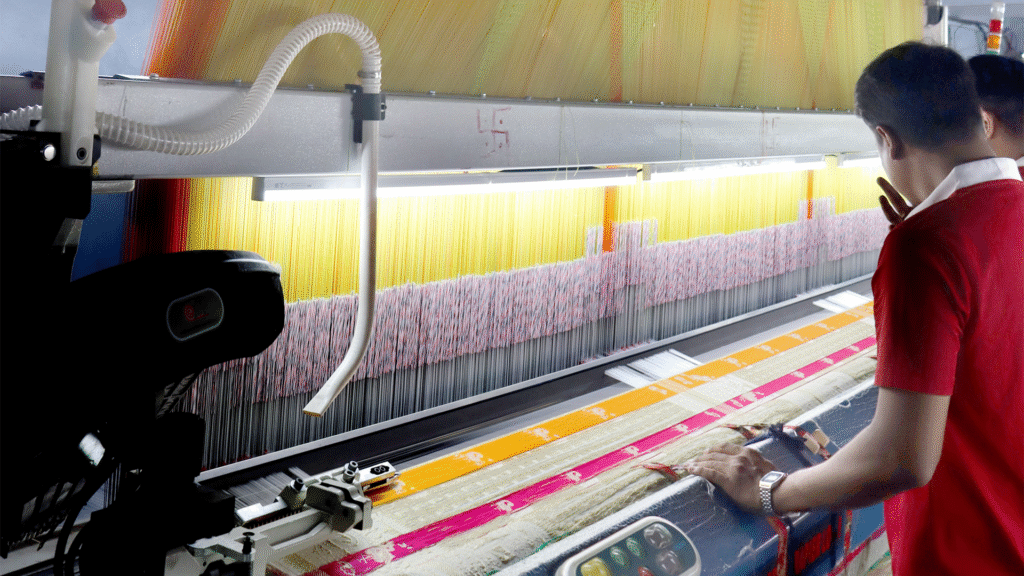
Friction is an invisible challenge that every weaver battles daily. It weakens yarn, increases machine wear, and reduces weaving efficiency. Every time yarn moves through a heald, it encounters resistance. This resistance, if excessive, causes fiber damage, leading to yarn breakage, pilling, and defects in the final fabric.
Traditional healds contribute to this problem due to their rough surfaces, improper eye shapes, and lack of material optimization. The result? More downtime, frequent replacements, and higher costs. AAS Healds address these issues with cutting-edge innovations like an elliptical eye design, S-shape technology, and dual-material composition—all engineered to reduce friction and ensure smooth yarn movement.
How Friction Leads to Yarn Damage & Pilling
One of the biggest consequences of excessive friction in weaving is pilling—those tiny fiber balls that form on the surface of the fabric. Pilling happens when yarn fibers weaken due to continuous rubbing, causing them to break and entangle into knots. Over time, this affects fabric quality, making it look worn out too soon.
Traditional healds, especially those with twisted or uneven eye designs, make this problem worse. When yarn doesn’t pass smoothly, it faces more resistance, leading to increased fiber damage and more frequent breaks.
AAS Healds counter this problem with a polished, friction-minimizing surface and precise eye shapes that let yarn glide smoothly. The result? Less stress on the yarn, minimal pilling, and longer-lasting fabric.
Regular Wire Healds vs. AAS Wire Healds: Eliminating Friction with Innovation
Wire healds are essential for weaving, but most traditional wire healds have a major flaw—the parting line. This small ridge, formed during manufacturing, creates a rough surface that rubs against the yarn with every movement, increasing friction and causing gradual wear.
AAS Wire Healds are engineered without a parting line, ensuring seamless yarn movement. Instead of causing stress on the yarn, these healds allow a smooth, effortless passage that reduces breakage and prolongs the life of both the yarn and the heald itself.
Additionally, AAS Wire Healds feature a dual-material design—one material provides strength and endurance, while the second offers lubrication. This ensures that as the yarn moves up one surface and generates heat, it reaches the next surface where the temperature drops, reducing friction instantly. This unique temperature control effect prevents thread damage and ensures optimal weaving performance.
Another major advantage of AAS Wire Healds is their dual-eye design, which allows weavers to use high-denier yarn in one eye and low-denier yarn in the other. This means different types of yarn can be used efficiently at different times while maintaining low friction and high weaving efficiency.
AAS Flat Healds: A Revolution in Yarn Movement
Flat healds also play a crucial role in weaving efficiency, but most standard flat healds fail to optimize yarn movement. The main problem? Excessive contact points, which increase friction and slow down the process.
AAS Flat Healds solve this with a combination of three breakthrough features:
- Elliptical Eye Design – Unlike regular healds where yarn is forced to jump due to uneven surfaces, the elliptical design in AAS Flat Healds ensures one-point contact with the yarn. This allows for a smoother passage with minimal resistance.
- S-Shape Technology – The curved structure provides a natural path for the yarn, eliminating sudden jerks and reducing stress on the fiber.
- ATDT (Advanced Thread Detection Technology) – This innovation makes it easier to track yarn movement and detect broken threads instantly, preventing errors and ensuring precision in high-speed weaving.
AAS Flat Healds also feature dual-material construction, enhancing both durability and smoothness. One material provides structural strength, ensuring the heald doesn’t bend or degrade over time. The second material ensures self-lubrication, reducing yarn friction and preventing heat buildup. As the yarn moves up one surface and heats up, it reaches the next surface, where the temperature drops, minimizing stress on the fiber.
The Dual-Material Advantage: Strength Meets Lubrication
Unlike conventional healds made from a single material, AAS Healds leverage the power of dual materials to enhance both durability and smoothness.
- Material 1: Provides Strength & Endurance – This ensures the heald remains intact under continuous operation, resisting bending or deformation.
- Material 2: Offers Lubrication & Friction Reduction – This allows yarn to pass through with minimal resistance, reducing heat buildup and preventing fiber damage.
This combination not only extends the lifespan of the heald but also ensures greater weaving efficiency and lower maintenance costs.
Conclusion: The Future of Weaving with AAS Healds
Friction is a major challenge in weaving, leading to yarn damage, increased machine wear, and reduced efficiency. Traditional healds with rough surfaces, parting lines, and poor material choices make this problem worse.
AAS Healds eliminate these issues with elliptical design, S-shape technology, dual-material construction, and a polished finish. Whether it’s wire healds with seamless, no-parting-line technology or flat healds with optimized yarn movement, AAS Healds set a new standard for efficiency, durability, and performance.
By reducing friction, preventing pilling, and ensuring smoother weaving, AAS Healds maximize productivity and fabric quality. It’s time to switch to the future of weaving—AAS Healds, where innovation meets excellence.
The Future of Weaving: How AAS Healds Are Changing the Textile Industry
Introduction: Innovation in Weaving
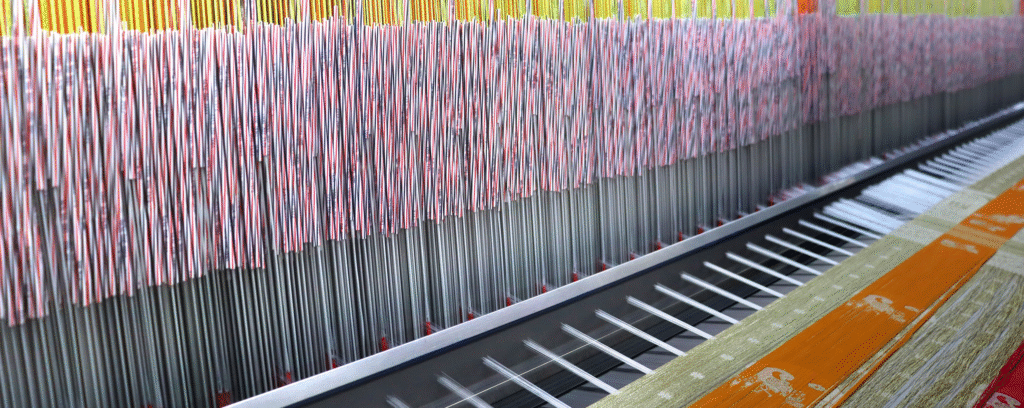
The textile industry has always evolved with advancements in technology, but one area that remained stagnant for years was heald design. Traditional healds have long been plagued by yarn friction, breakage, inefficiency, and outdated structures. These challenges slow down production, increase waste, and reduce overall weaving efficiency.
AAS Healds are revolutionizing this space with cutting-edge innovations that solve long-standing issues. By introducing dual-eye technology, ATDT (Advanced Thread Detection Technology), aerodynamic designs, and dual-material construction, AAS Healds are setting a new standard in weaving. These improvements not only enhance fabric quality and machine longevity but also increase production speeds while reducing maintenance costs.
The Biggest Challenges in Traditional Weaving
For decades, traditional healds have created multiple inefficiencies in textile production. These include:
- High Friction & Yarn Breakage – Conventional healds create excessive friction, leading to frequent thread snapping and increased pilling.
- Inefficient Yarn Tracking – Identifying broken or misplaced yarn in large-scale weaving operations is difficult, leading to production delays.
- Short Lifespan of Healds – Poor material quality and improper designs reduce the durability of healds, increasing replacement costs.
- Limited Weaving Flexibility – Traditional healds cannot accommodate different yarn types efficiently, limiting production versatility.
To address these problems, AAS Healds have introduced a range of advanced features designed to enhance performance, increase durability, and maximize efficiency.
Why AAS Healds Are the Future of Weaving
The textile industry is constantly evolving, and manufacturers need better, faster, and more durable solutions to stay competitive. AAS Healds bring unmatched innovation to the industry with:
- Longer Lifespan – AAS Healds come with a 3-year warranty, ensuring extended usage and reducing replacement costs.
- Lower Maintenance Costs – With reduced yarn breakage and improved material durability, AAS Healds help manufacturers cut down on frequent repairs.
- Enhanced Fabric Quality – By minimizing friction and preventing yarn damage, AAS Healds contribute to higher-quality textiles with fewer defects.
Increased Production Speed – The aerodynamic and elliptical design allows for smoother, faster yarn movement, boosting overall efficiency.
How AAS Healds Are Transforming Weaving
1. Dual-Eye Technology: Precision & Longevity
AAS Healds are the first in the industry to feature dual-eye technology, allowing for greater control and longer product lifespan. Unlike regular healds that wear out quickly, AAS Healds provide a self-healing function—simply flipping the heald extends its usability. This ensures that the same heald can be used for a longer period without compromising performance.
Additionally, the dual-eye feature allows for weaving different yarn types. One eye can be used for high-denier yarns, while the other can accommodate low-denier yarns, giving manufacturers the flexibility to switch between different materials without changing healds.
2. ATDT Technology: Smart Yarn Detection
One of the most common challenges in weaving is identifying broken yarn before it disrupts production. AAS Healds incorporate Advanced Thread Detection Technology (ATDT), which makes it easier to track yarn movement and detect missing or broken threads in real time.
With ATDT, weavers can instantly spot irregularities, reducing downtime and preventing fabric defects. This enhances quality control, minimizes material wastage, and improves overall efficiency.
3. Aerodynamic & Elliptical Design: Minimizing Friction & Maximizing Speed
Friction is one of the biggest causes of yarn damage, pilling, and inefficiency in weaving. AAS Healds tackle this issue with an elliptical body design and an S-shaped structure, ensuring that the yarn only makes contact at one precise point.
- Unlike traditional healds where yarn jumps due to twisted or rough eyes, AAS Healds ensure smooth movement with minimal resistance.
- The elliptical shape allows air to flow freely, reducing drag and enabling faster weaving speeds without overheating or excessive wear.
- The S-shape structure enhances contact precision, ensuring the yarn stays in place while moving effortlessly through the heald.
This results in less friction, reduced fiber damage, and a significant improvement in overall weaving efficiency.
4. Dual-Material Construction: Strength Meets Lubrication
Unlike traditional healds that rely on a single material, AAS Healds are designed with dual-material technology, combining strength and lubrication for superior performance.
- Material 1: Strength & Endurance – Provides durability, ensuring the heald does not bend or wear out under continuous operation.
- Material 2: Lubrication & Smoothness – Reduces friction, preventing yarn overheating and fiber damage.
As the yarn moves along the heald, it experiences a natural cooling effect—it heats up as it moves along one surface, but cools down as it reaches the next. This ensures optimal temperature regulation, reducing fiber stress and prolonging the lifespan of both the yarn and the heald.
Conclusion: AAS Healds Are Leading the Weaving Revolution
The future of textile manufacturing lies in innovation, efficiency, and precision, and AAS Healds are pioneering this transformation. By incorporating dual-eye technology, ATDT, aerodynamic design, and dual-material construction, AAS Healds are eliminating industry-wide challenges and setting new benchmarks in weaving technology.
For manufacturers looking to increase production efficiency, reduce costs, and improve fabric quality, switching to AAS Healds is not just an upgrade—it’s a necessity.
Join the future of weaving with AAS Healds today.